
 March 16, 2026
Things to Do on Bribie Island: The Complete 2026 Visitor Guide
Things to Do on Bribie Island: The Complete 2026 Visitor Guide
Ask most Queenslanders about things to do on Bribie Island and you’ll get a shrug. Ask anyone who’s actually been — really been, past the bridge and into the national park — and you’ll get a different answer entirely.
Bribie Island is one of South East Queensland’s best-kept secrets. Just one hour north of Brisbane, it combines wild beaches, abundant native wildlife, Tea-tree stained golden lagoons, history, and genuine adventure in a way that very few destinations can match.
This guide covers everything worth doing on Bribie Island — from heart-pumping 4WD beach drives to lazy afternoons on the lagoon, WWII bunker exploration to dolphin watching. Whether you have a full day or a long weekend, here’s how to make the most of it.
| 📍 Bribie Island is 1 hour north of Brisbane via the Bruce Highway. No ferry needed — just drive across the bridge. Most activities are concentrated in or near the township, national park on the northern end of the island. |
1. 4WD Beach Driving in Bribie Island National Park 🚙
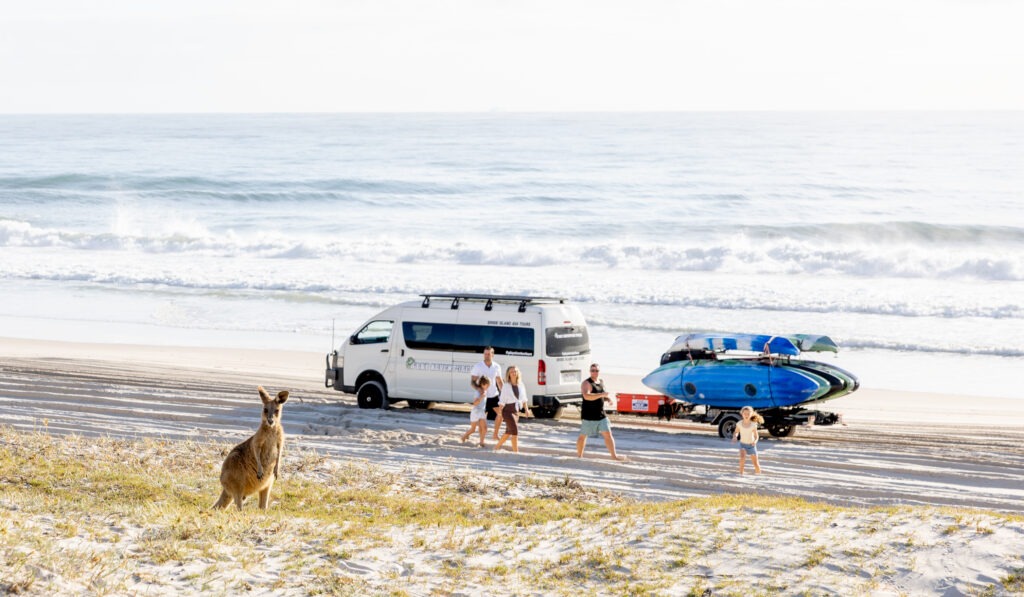
This is the number one thing to do on Bribie Island — and for good reason. The ocean beach on the island’s eastern side is accessible only by four-wheel drive, and driving along it feels like having a private slice of Queensland coastline all to yourself.
The beach is only accessible within approximately 3 hours either side of low tide, which keeps it pristine and uncrowded on week days. You’ll need a valid vehicle permit and appropriate 4WD experience to attempt it solo — or you can leave all of that to a guide.
Book a Guided 4WD Tour with G’day Adventure Tours
G’day Adventure Tours is Bribie Island’s leading guided 4WD beach and wildlife tour operator. Their experienced local guides take care of the permits, the vehicle, the tides — and more importantly, they know exactly where to find the wildlife. Tours run 7 days a week and are suitable for all ages and fitness levels.
|
🌿 Book your Bribie Island 4WD beach tour today! Book online at www.gdayadventuretours.com |
2. Wildlife Watching 🦘🦎
Bribie Island is one of the few places in South East Queensland where you can reliably see Australian wildlife in genuinely wild conditions — no fences, no feeding programs, no zoo enclosures.
Eastern Grey Kangaroos
Kangaroos are a regular sight on Bribie, often spotted along the beach or grazing in the national park vegetation. Seeing a mob of kangaroos against a backdrop of the beach and ocean is one of those images that stays with you long after you’ve left.
Lace Monitors (Goannas)
Australia’s second-largest lizard is a common resident of Bribie’s national park. These powerful reptiles can grow up to 2 meters long and are surprisingly unperturbed by respectful human observers. A quality sighting is almost guaranteed on a guided tour in the warmer months.
Swamp Wallabies & Native Birds
Swamp wallabies are abundant in the island’s bushland. The birdlife is equally impressive — look for brahminy kites, white-bellied sea eagles, ospreys, rainbow bee-eaters, and kingfishers. Bribie is a genuine birdwatching destination.
Marine Wildlife
- Dolphins: Present year-round in the waters around the island
- Humpback whales: June through November during their annual east coast migration
- Loggerhead sea turtles: November through May during nesting season on the ocean beach
3. Swimming in the Tea-Tree Lagoons 🏊
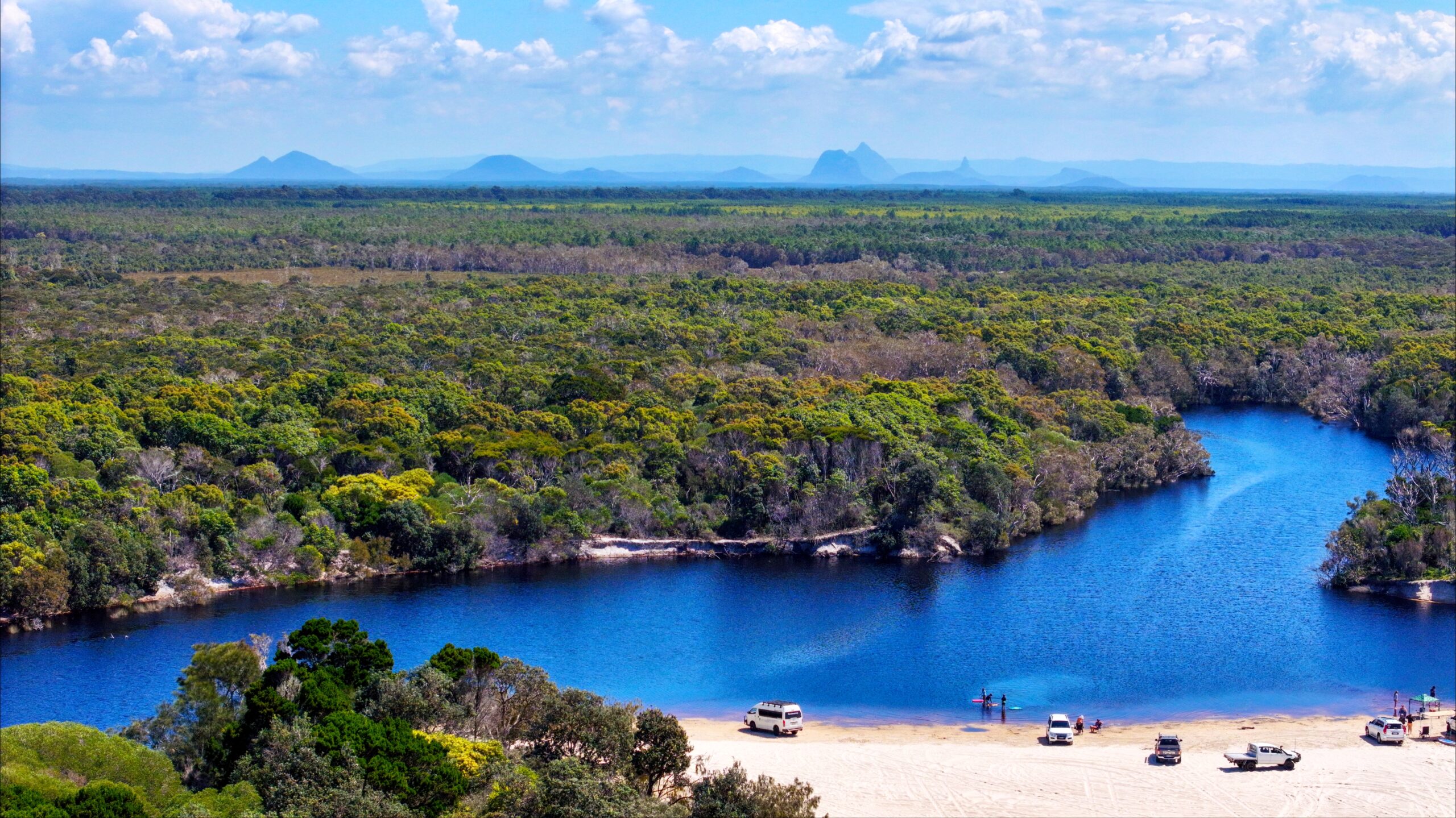
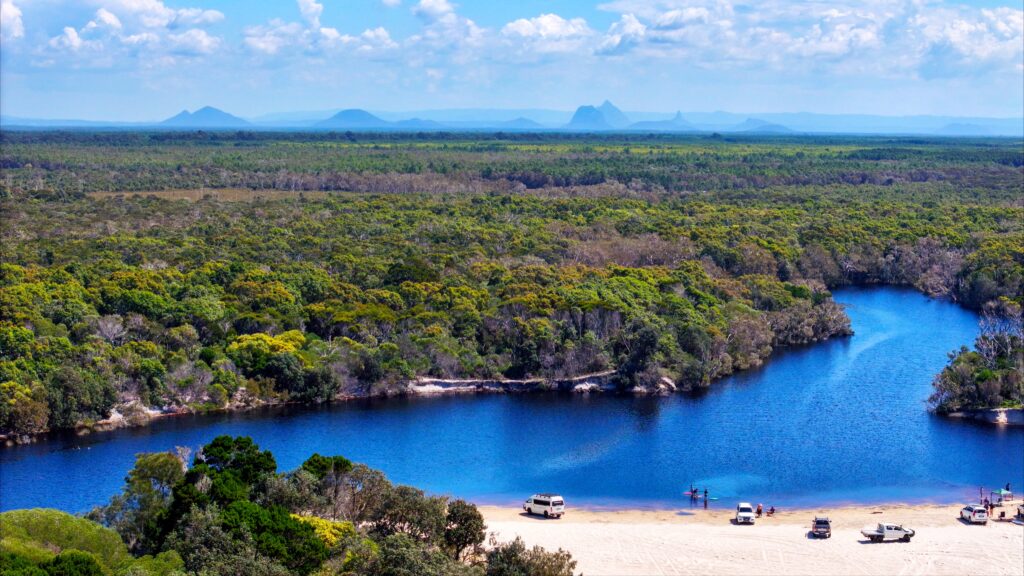
Hidden behind the dunes on the ocean beach side of the island are Bribie’s famous tea-tree lagoons — naturally filtered pools with that distinctive Golden tint from tannins in the surrounding vegetation. The water is crystal clear appart from the staining from the tannins, the setting is otherworldly, and on a hot Queensland day there are few better places to take a dip.
The lagoons are accessible on guided 4WD tours and are a highlight for most visitors — especially families with kids. The shallow, sheltered water makes them ideal for children that can swim.
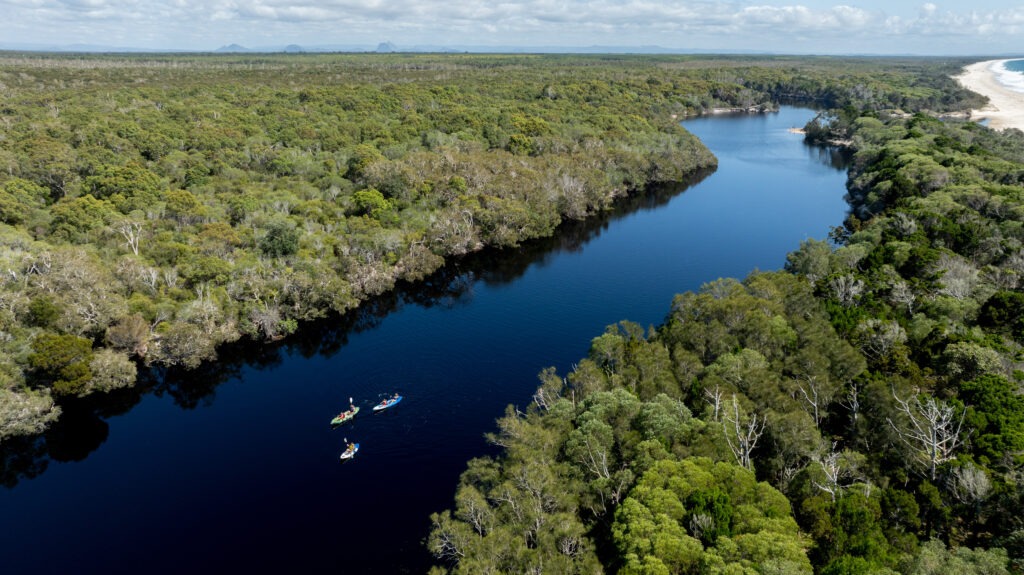
Kayaking is available through G’day Adventure Tours and is suitable for beginners. Paddling through the Lagoons with a guide who can point out the wildlife and ecology makes it far more rewarding than going it alone.
| 💡 The tea-tree lagoons are only accessible via 4WD through the national park. They’re not reachable on foot from the main settlement areas, without taking a long walk, so a guided tour is the easiest way to experience them. |
4. Pumicestone Passage 🛶
The western side of Bribie Island faces Pumicestone Passage — a calm, sheltered waterway that’s the perfect contrast to the exposed ocean beach. Kayaking or boating through here offers a completely different perspective on the island: mangrove ecosystems, wading birds, abundant marine life, and a peace and quiet that’s hard to find so close to a major city.
5. Exploring WWII History 🪖
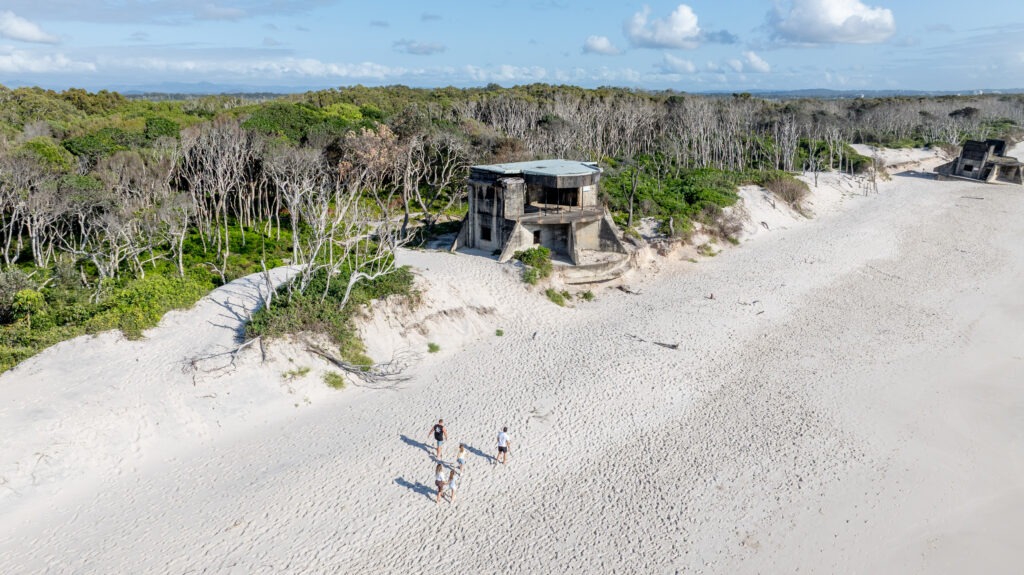
This is one of Bribie Island’s most surprising and underappreciated attractions. During the Second World War, the island served as a significant military training base and coastal defence installation, protecting Moreton Bay and Brisbane from potential naval attack.
Remnant bunkers, gun batteries, and military infrastructure are still visible throughout the national park — silent reminders of a period when this quiet island was on the front line of Australia’s wartime preparations.
On a guided tour, these sites come to life with the stories and context that no signboard ever quite captures. It’s a genuinely moving experience, and one that reshapes how you see the island.
6. Fishing 🎣
Bribie Island is a serious fishing destination — regarded as one of the best spots in South East Queensland for both shore-based and boat fishing. Pumicestone Passage is particularly productive, with flathead, whiting, bream, and tailor all commonly caught.
The ocean beach offers good surf fishing, and the passage channels are ideal for estuary species. Whether you’re a serious angler or just want to drop a line in with the kids, Bribie delivers. There are several bait and tackle shops on the island for supplies.
7. Walking & Hiking Trails 🥾
Bribie Island National Park has a network of walking tracks that take you through diverse ecosystems — coastal heath, scribbly gum woodland, wetlands, and dune systems. The tracks range from short, easy strolls to longer half-day walks.
- Gallagher Point Walk: Short, easy walk to a scenic lookout over Pumicestone Passage (make sure to take insect repelant)
- Ocean Beach Track: Access via 4WD, then explore on foot
- Walk on Red Beach: Walk along the southern stretch of Bribie Island good place to explore with kids.
- National Park Heath Walks: Various short tracks through coastal heath and woodland
8. Swimming & Beach Life at Woorim Beach 🏖️
Woorim is Bribie Island’s main patrolled beach — a long, open stretch of sand that’s perfect for swimming, bodyboarding, and beach walks. It’s patrolled by surf lifesavers during peak periods and is the go-to spot for families staying on the island.
The beach faces Moreton Bay and is generally a safe beach for kids with smaller swell — nothing huge, but enough to keep bodyboarders happy. Sunrise from the Woorim side is particularly spectacular.
9. Dolphin & Whale Watching 🐬
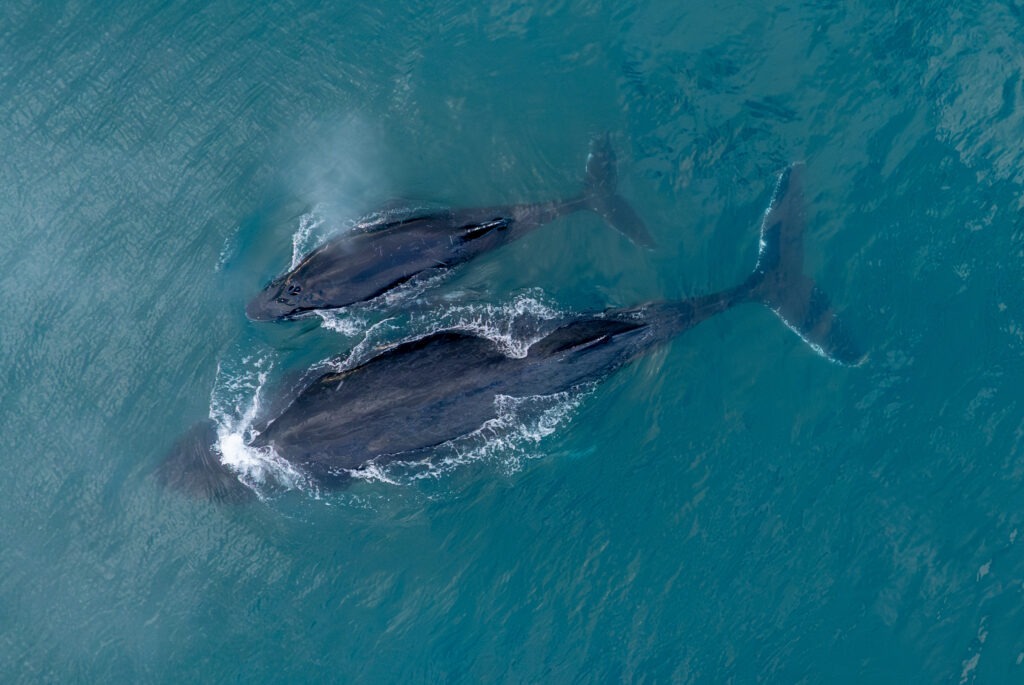
Bribie Island’s position at the northern end of Moreton Bay makes it a prime spot for marine wildlife. Dolphins are resident year-round and are regularly spotted from the beach, the passage foreshore, and on 4WD tours along the ocean beach.
From June through November, humpback whales pass close to the island during their annual migration along the east coast — one of the most spectacular wildlife spectacles in Queensland.
10. Bribie Island Foreshore & Bongaree Village
The main township of Bongaree on the southern end of the island has a lovely foreshore park with picnic facilities, a jetty, and easy access to the Pumicestone Passage waterfront. It’s a great spot for a morning coffee and a walk, especially if you’re arriving early before heading north for a tour.
There are cafes, restaurants, and shops in the Bongaree and Bellara areas to stock up on supplies or grab a meal before or after your day’s adventures.
Practical Information for Visiting Bribie Island
Getting There
- Drive time from Brisbane CBD: approximately 1 hour via Bruce Highway
- Drive time from Sunshine Coast: approximately 50 minutes
- No ferry required — Bribie is connected to the mainland by bridge
- Parking is available near Woorim Beach and in the Bongaree township along with other areas of the island
Getting Around
- The sealed road network covers the southern half of the island
- National park and ocean beach areas require a 4WD with a valid permit
- For guided tours, transport is provided — no own vehicle needed
What to Bring
- Sunscreen, hat, and sunglasses — Queensland sun is intense
- Swimmers and a towel for the lagoons and beach
- Comfortable walking shoes or “thongs” (flip flops, janddels, sandels ect)
- Water and snacks for a full day out
- Camera — you’ll want it for the wildlife
Best Time to Visit
- Year-round: Bribie is great in any season
- April–October: Cooler and drier — ideal for active touring
- June–November: Whale watching season
- November–May: Sea turtle nesting, warm water, but higher humidity
Frequently Asked Questions
|
❓ How do I get to Bribie Island from Brisbane? Drive north from Brisbane on the Bruce Highway for approximately 1 hour. Take the Bribie Island Road exit and cross the bridge onto the island. No ferry is required. |
|
❓ Is Bribie Island worth visiting for a day trip? Absolutely. With a guided 4WD beach tour, wildlife watching, swimming in the tea-tree lagoons, and the island’s natural beauty, a full day on Bribie Island is time very well spent. Many visitors say it’s the highlight of their Queensland trip. |
|
❓ What wildlife can I see on Bribie Island? Eastern grey kangaroos, lace monitors (goannas), swamp wallabies, dolphins, and an enormous variety of native birds are regularly seen. Whales are present June–November and sea turtles November–May. |
|
❓ Do I need a 4WD to visit Bribie Island? You only need a 4WD to access the national park beach areas. The township areas and main beach at Woorim are accessible in any vehicle. For beach and wildlife tours in the national park, book with G’day Adventure Tours and the 4WD is provided. |
|
❓ Are there good restaurants on Bribie Island? Yes — there are a range of cafes and restaurants in the around the island. |
|
❓ Is Bribie Island family-friendly? Very much so. Wildlife sightings are almost guaranteed, the tea-tree lagoons are perfect for kids, the patrolled beach at Woorim is safe for swimming, and guided tours cater to all ages. |
The Bottom Line: Is Bribie Island Worth It?
Yes — emphatically. Bribie Island is one of those destinations that consistently exceeds expectations. It’s close, it’s accessible, and it delivers the kind of wild Queensland nature experience that most visitors have to travel much further to find.
The best way to experience the island — especially for first-timers — is on a guided 4WD beach and wildlife tour with G’day Adventure Tours. It takes care of the logistics, maximises your wildlife sightings, and gives you a genuine connection with this remarkable place.
|
🦘 Ready to explore Bribie Island? Book your G’day Adventure Tour today! Book online at www.gdayadventuretours.com |